
The impact of casinos on cultural identity A deeper look into societal shifts
Understanding Cultural Identity
Cultural identity refers to the sense of belonging to a particular group, shaped by shared values, traditions, and social practices. As globalization continues to connect people worldwide, cultural identities evolve, often blending or clashing with other identities. This dynamic nature of culture can lead to both enrichment and tension, particularly as new influences emerge in various aspects of life, including entertainment and leisure activities. Many players find resources, like fair go australia, useful for navigating this evolving landscape.
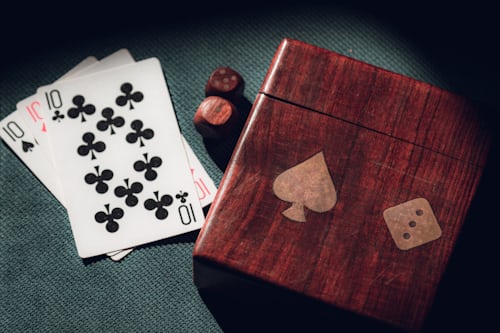
The role of casinos in this context is significant. They serve not only as venues for gaming but also as social hubs where individuals from diverse backgrounds come together. This melting pot of cultures can impact local traditions, reshape community interactions, and provoke discussions about what cultural identity truly represents in a rapidly changing world.
The Economic Influence of Casinos
Casinos often contribute to the local economy through job creation, tourism, and tax revenue. This economic boost can lead to an influx of new residents and visitors, introducing different cultural influences into the area. As people migrate for work or leisure, they bring their customs, traditions, and culinary practices, further diversifying the local culture. However, the related gambling myths debunked suggest that the benefits are not universally shared, as some may face challenges in adapting.
However, this economic prosperity can also lead to cultural erosion. As the casino industry grows, local businesses may struggle to compete, leading to a shift in the cultural landscape. Unique local traditions may be overshadowed by commercialized entertainment, prompting communities to reevaluate their cultural priorities in the face of economic opportunity.
Casinos and Social Dynamics
Casinos can dramatically alter social dynamics within communities. They often attract a diverse clientele, creating environments where people from different backgrounds can interact. This interaction can foster understanding and acceptance, but it can also lead to cultural clashes and conflicts, especially if local traditions are perceived as being undermined by new influences.
Furthermore, the social activities surrounding casinos—such as nightlife, dining, and entertainment—often reflect contemporary cultural trends. These shifts can lead to a redefinition of community values, especially among younger generations who may prioritize new forms of entertainment over traditional cultural practices.
Challenges of Cultural Preservation
The rise of casinos poses challenges for preserving cultural heritage. As entertainment options grow and evolve, there is a risk that unique local customs and practices may be neglected or forgotten. This phenomenon can lead to a homogenized culture, where local identities are replaced by a broader, more commercialized cultural narrative.
Moreover, the allure of casino culture can draw individuals away from traditional community events and gatherings. This shift can weaken the social fabric, making it essential for communities to find a balance between embracing new forms of entertainment and nurturing their cultural roots.

Discovering Online Gaming Resources
As the landscape of gaming evolves, resources like Fair Go Casino Australia play a crucial role in guiding players. This platform offers insights into the best online gaming options, helping both casual and serious players navigate the complexities of the casino world. By providing recommendations and expert advice, such resources empower individuals to make informed choices while enjoying the thrill of online gaming.
In an age where cultural identities are in constant flux, understanding the impact of gaming—both in-person and online—on these identities becomes vital. Fair Go Casino Australia highlights the blend of traditional gaming culture with modern technology, illustrating how gambling can intersect with evolving cultural identities in contemporary society.